Gin and spirits
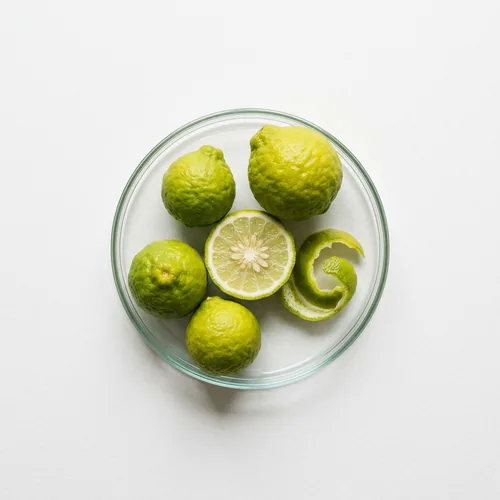
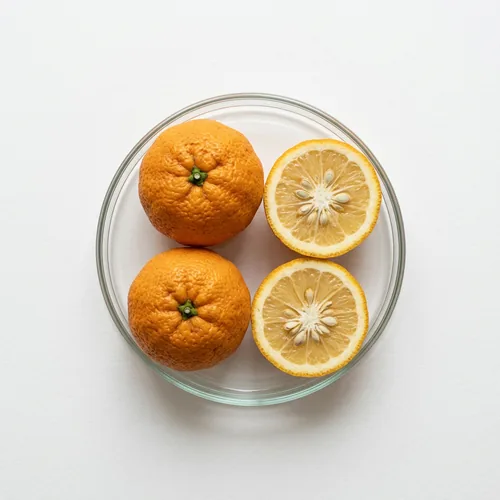
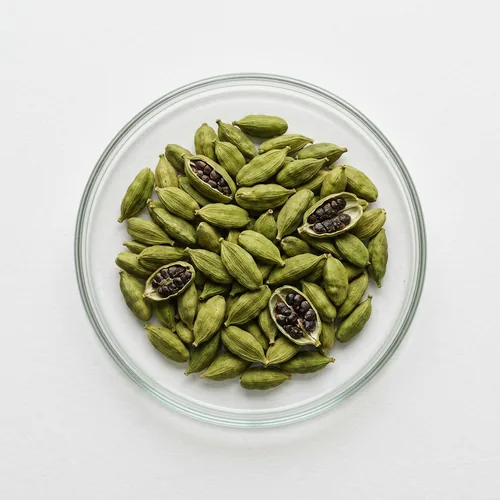
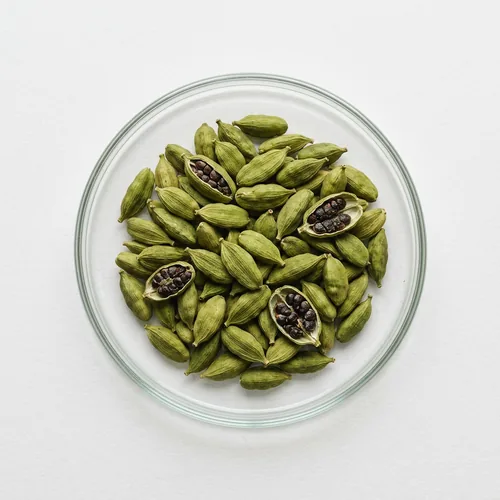
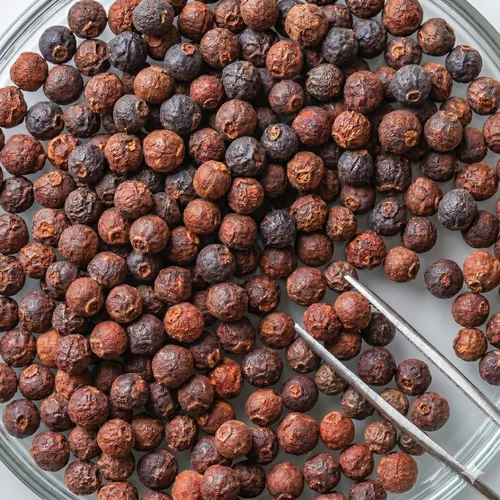
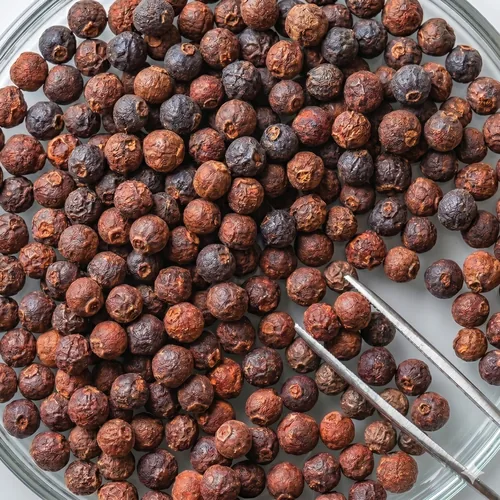
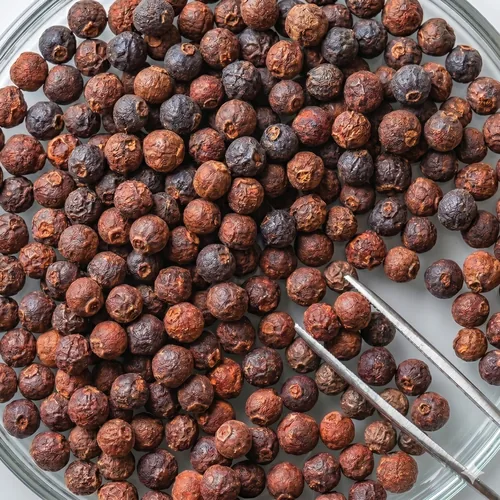
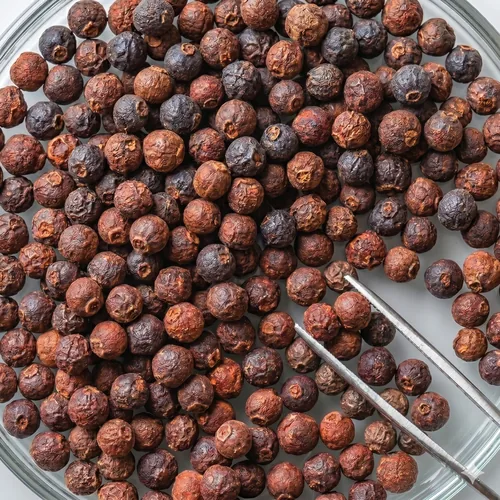
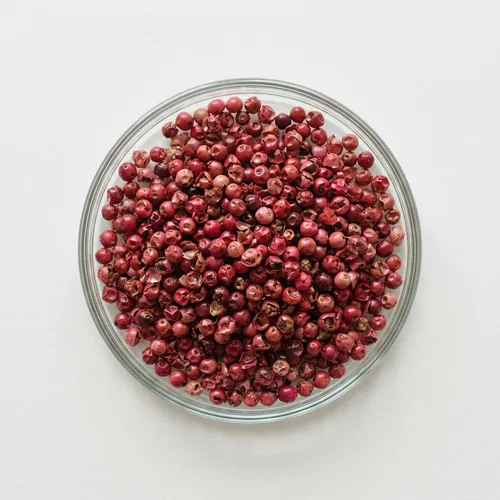
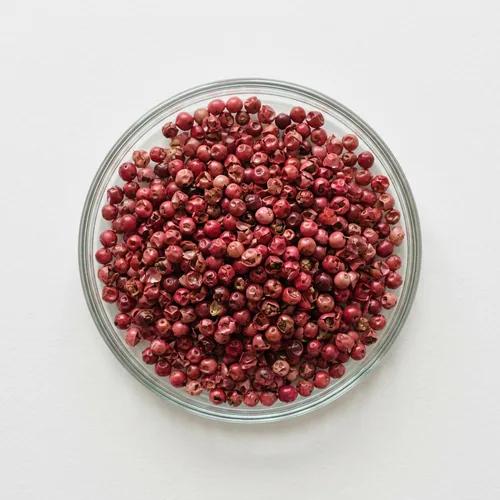
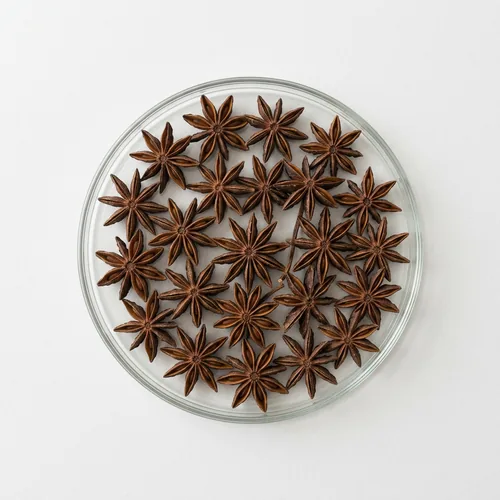
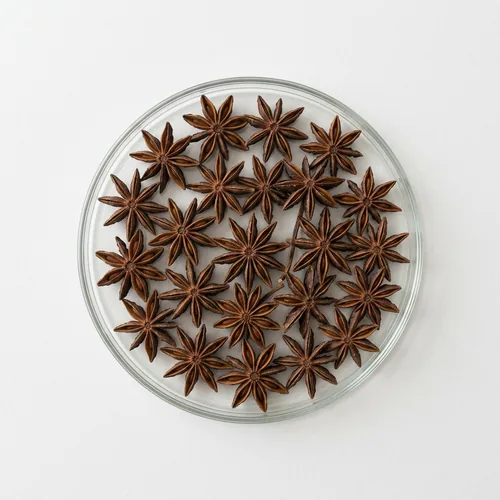
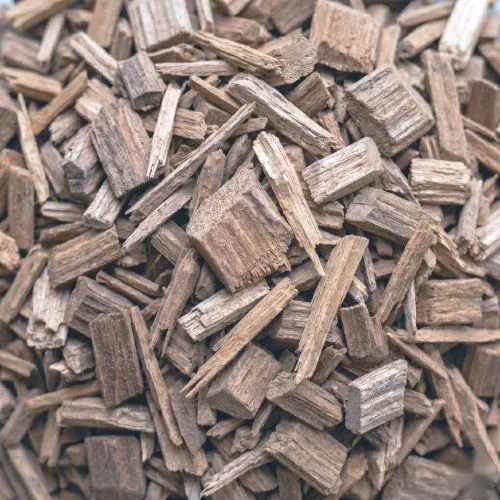
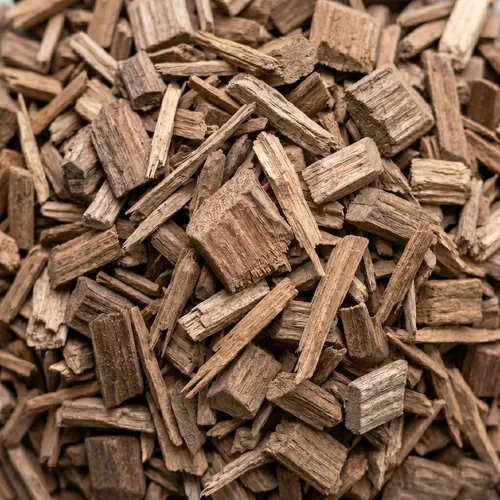
The flavour of gin, liqueurs and aperitifs comes from botanicals. Juniper, citrus peel and spices are their core flavours.
The same botanical comes in several forms here. Essential oil dissolves directly in alcohol. Flavourings in MCT, in TEC or in water-dispersible form make weighing and dosing easier.
Filter these products in the catalog ›
Which form?
| Form | Mixes most easily into |
|---|---|
| Essential oil | the alcohol phase |
| Dissolved in TEC | the alcohol phase |
| Dissolved in MCT | the fat phase |
| Water-dispersible | the water phase |
Anise flavour turns cloudy when water is added. Anethole dissolves in alcohol and separates into small droplets when water is added. That is why anise spirits turn cloudy.
Whether the label may say "natural" depends on where the flavour comes from. For "natural juniper flavouring", at least 95% of the flavouring part must come from juniper.
From the library
- Anethole
Anethole is the molecule of anise smell and anise taste. It is the main constituent of star anise, aniseed and fennel oils. Spirit, beverage, confectionery, bakery and chewing-gum …
- Flavour carriers
Flavour raw materials like essential oil and CO₂ extract are very strong. They are often added to food in a carrier. The carrier dilutes the flavour. It allows …
- Myrcene
Myrcene (beta-myrcene) is a terpene making up 5 to 20% of juniper berry oil. The main component of the oil is alpha-pinene. It dominates hop oil and is …
- Natural flavouring
Natural flavouring is a legal term used on the label of a flavouring. It says that the part of the flavouring that gives odour and taste consists only …